
Practical Steps to Win the Race for a Longer Life
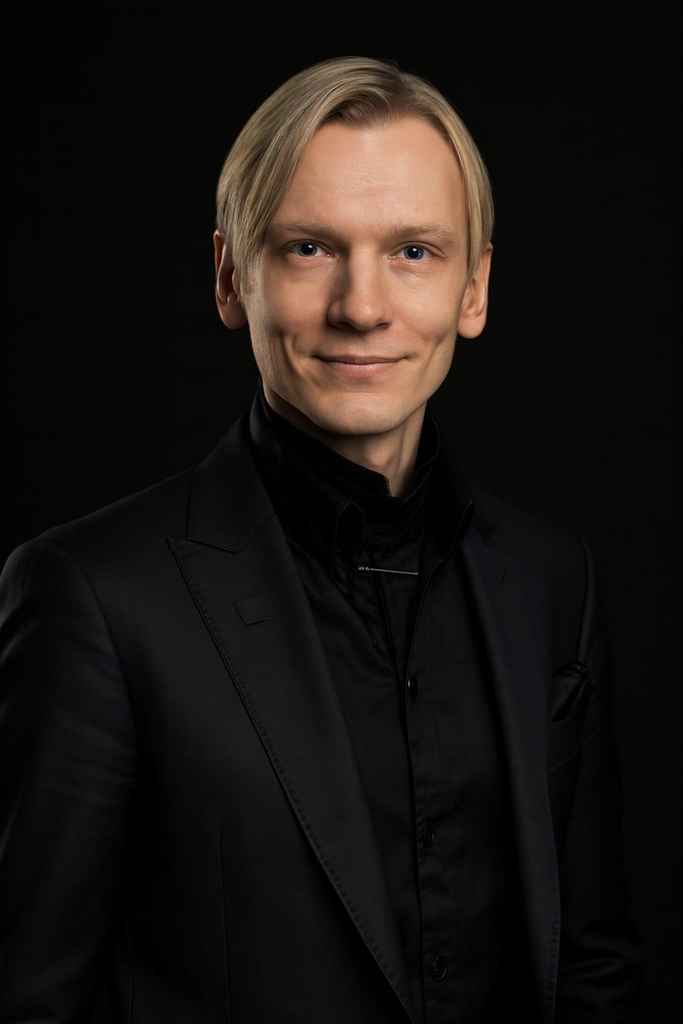
Speaker biography
Teemu Arina is a pioneer in the biohacking movement, co-author of the bestselling Biohacker’s Handbook series, curator of Biohacker Summit, host of the Biohacker’s Podcast, founder of Biohacker Center, and founder of HOLOLIFE. His work focuses on practical health optimization, longevity, systems thinking, community, science, technology, and nature-based human performance.
The following text is generated with artificial intelligence. Accuracy is not guaranteed.
Live Beyond a Lifetime: Integrating Science, Nature & the Evolution of Biohacking
“It is not really about living longer; it is about building a legacy of vitality, wisdom, and impact that transcends a single lifespan. It is about being part of something bigger than yourself—the impact you leave behind in the world.”
— Teemu Arina
Description
The hololife Summit integrates health optimization, social legacy, and environmental symbiosis to redefine biohacking. Upcoming summits in Amsterdam and Monte Carlo bridge scientific rejuvenation with ancient wisdom. Technologies like red light therapy and cryochambers simulate natural states to combat modern nature deficit disorder. By pursuing a "Life Beyond a Lifetime," the movement promotes restorative vitality, transcending physical longevity to foster sustainable human impact through the Resilient Being book series and holistic healthspan.
Summary
Rebranding biohacking into a holistic approach that integrates physical, mental, social, and spiritual dimensions to achieve comprehensive well-being and a connection to the universe.
Combining cutting-edge longevity science and biomarkers with ancient practices, such as herbalism and meditation, to create a more integrative and credible approach to human health.
Focusing on a "Life Beyond a Lifetime" by building a sustainable legacy of vitality and wisdom that impacts the community and transcends the limits of an individual lifespan.
Recognizing that many biohacking technologies, like red light therapy or cryotherapy, are modern tools designed to mimic the natural processes and environmental conditions the body evolved for.
Addressing "nature deficit disorder" by reconnecting with the natural world and restoring the symbiotic balance between internal biological systems and the external environment.
Key points
The "hololive" approach integrates spirituality as a core component of health, viewing ancient practices like yoga and meditation not as physical exercises, but as tools to align the body and mind for a deeper connection to the universe.
A comprehensive framework for human optimization is presented through a four-book series: Resilient Being (physical resilience), Vital Being (longevity), Mindful Being (psychology and brain optimization), and Transcendent Being (technological and spiritual transcendence).
Modern Western medicine is fundamentally rooted in nature, with approximately 90% of its developments, including anesthesia, originating from the study of indigenous plants and traditional ancestral practices.
True longevity is achieved by focusing on the "living network," which considers the influence of ancestors, the importance of social connections, and the character-driven legacy an individual leaves for their community.
Historical science was often pioneered by alchemists like Paracelsus, who believed that the "philosopher's stone" or the secret to immortality was not a physical object to be found, but an internal state to be cultivated within the practitioner.
Things to learn
Prioritize deep social and ancestral integration by viewing your health as part of a living network and focusing on the character-driven legacy you leave behind for others.
Incorporate "mimicry" technologies such as saunas, cold exposure, and filtered environments to restore the natural conditions the human body requires for optimal function within urban settings.
Adopt a spiritual dimension to physical practices by using movement and meditation not just for fitness, but as a means to align the mind and body with the broader universe.
Balance scientific data with traditional wisdom by studying biomarkers and meta-studies alongside generational expertise from herbalists and ancient practices.
Actively combat "nature deficit disorder" by taking regular breaks from technology to spend time in natural environments like forests or mountains to reset your biological systems.
Notable quotes
- “Your work is not just what you do; it is the legacy that shows in other people and the impact you leave behind. At the journey's end, people will not discuss your professional achievements, but what kind of person you were.”
- “When you get your physical and mental state into alignment, it opens up a channel to something greater. Spirituality is a key component of health; it is the driving force and the goal we are truly trying to achieve in life.”
- “The true alchemist is nature itself. As much as you love technology and believe it is the future, never forget your roots. You are part of nature, and the absence of that connection is at the heart of many modern chronic conditions.”
- “We are creating technologies to mimic nature and what our bodies have done for millennia. As the modern technological world becomes more intense, the treatment for many of our problems is simply to go back to nature and revisit our lives.”
- “Biohacking is all about restoring the balance of the symbiotic relationship you have with the living world inside and outside of you. By observing nature as a true master, we learn how to build a state of vitality and harmony.”
Questions to ask
- You mentioned that the transition from Biohacking to Hololive involves a focus on legacy; what practical metrics or qualitative "biomarkers" can we use to evaluate our social health and the impact of the legacy we are building?
- In your upcoming book Transcendent Being, you explore transcending the human state through technology—what specific emerging technologies do you believe will most radically redefine our definition of "human" in the next decade?
- Since much of biohacking mimics nature, how do you determine when a technological intervention, like a cryo chamber, is superior to its natural counterpart, such as an ice bath in a natural body of water?
- You spoke about bringing masters of ancient practices from Africa, Asia, and Latin America to the summit; what is one specific, lesser-known traditional practice that you believe the modern scientific community is currently underestimating?
- If the "philosopher’s stone" is found within the individual rather than in the physical world, how can a dedicated biohacker balance the use of external data-tracking tools with the cultivation of their own internal intuition?
Keywords
Magazine article
Live Beyond A Lifetime: How Teemu Arina Recast Biohacking As A Search For Meaning, Nature And Human Continuity
On 12 March 2026, at Hololife Longevity Cote d'Azur in Nice, France, Teemu Arina delivered a presentation titled Practical Steps to Win the Race for a Longer Life. Yet what unfolded was not a narrow lecture on lifespan extension, nor a glossy endorsement of wellness gadgets. It was a more ambitious proposition: that the next phase of biohacking had to move beyond the body alone and into the deeper terrain of identity, community, spirituality and ecology.
Arina, a pioneer of the biohacking movement and curator of the Biohacker Summit, used the stage to explain why the language and philosophy of the field had been evolving. The old vocabulary, he suggested, had become too small for the moment. Biohacking, once useful as a rallying cry for self-experimentation and optimization, had also become distorted by misunderstanding. It sounded mechanical, even predatory, as if health could be won by breaking into biology rather than learning to live within it.
What he offered instead was a holistic vision, one that sought to integrate the measurable and the immeasurable, the laboratory and the forest, the biomarker and the soul.
Redefining Biohacking Beyond The Body
Arina's central argument was that health could no longer be treated as a purely physical project. To optimize sleep, movement and nutrition while neglecting purpose, belonging and transcendence was, in his telling, to miss the point.
He described the Hololife Summit as an evolution of the Biohacker Summit, a rebranding but also a reconceptualization. The aim was not to abandon science, but to place it inside a larger human framework. Physical resilience remained vital. Cognitive clarity still mattered. But so did the questions that modern health culture often pushed aside: What kind of person are you becoming? What force is guiding your life? What remains of you in other people?
“Your work is not just what you do; it is the legacy that shows in other people and the impact you leave behind. At the journey's end, people will not discuss your professional achievements, but what kind of person you were.”
That line landed as the moral center of the talk. Longevity, in Arina's framing, was not simply a campaign against death. It was a discipline of extending vitality, wisdom and consequence. A longer life without depth, relationship or contribution was not much of a victory.
Spirituality As A Missing Dimension Of Health
One of the most striking features of Arina's address was his insistence that spirituality belonged within any serious conversation about well-being. He made a clear distinction between spirituality and religion, presenting the former as a mode of connection rather than doctrine.
He pointed to traditions such as yoga and meditation, noting that these were not originally conceived as lifestyle accessories or boutique fitness rituals. Their deeper purpose, he said, was alignment: to bring body and mind into a state capable of stillness, awareness and contact with something larger than the self.
“When you get your physical and mental state into alignment, it opens up a channel to something greater. Spirituality is a key component of health; it is the driving force and the goal we are truly trying to achieve in life.”
In a culture saturated with performance metrics, this was a notable inversion. Arina did not reject optimization, but he suggested it should serve awakening rather than vanity. The quantified self, in this model, was useful only if it led to a more conscious self.
Science And Ancient Wisdom On The Same Stage
Arina's broader project was one of synthesis. He spoke of a coming convergence between cutting-edge longevity science and the worldviews that modernity had too often dismissed as primitive, mystical or unscientific. Future Hololife gatherings, he noted, including upcoming summits in Amsterdam and Monte Carlo, were intended to bridge scientific rejuvenation with herbalism, meditation and indigenous knowledge.
This was not presented as nostalgia. It was framed as correction.
The West, he argued, had become accustomed to separating medical science from holistic therapies, as though empirical rigor and ancestral wisdom could not coexist. Yet many of the remedies, compounds and interventions embedded in modern medicine had emerged from the study of plants, ecological systems and traditional practices. Nature, in that sense, was not the opposite of science. It was often science's first teacher.
He invoked older traditions of inquiry, including the alchemists of Europe, to suggest that the pursuit of health once embraced matter and meaning together. The true “philosopher's stone,” he implied, was not an object but an inner state.
Technology As Imitation, Not Escape
If Arina was skeptical of reductionist futurism, he was not hostile to technology. On the contrary, his point was that many celebrated biohacking tools were best understood not as futuristic inventions but as approximations of ancient environmental conditions.
Red light therapy echoed sunset. Cryochambers reproduced cold exposure. Infrared saunas modernised heat rituals that had long existed in communal and spiritual life. Even supplements designed to trigger pathways associated with fasting were, in effect, attempts to chemically imitate what the body had evolved to do on its own.
“The true alchemist is nature itself. As much as you love technology and believe it is the future, never forget your roots. You are part of nature, and the absence of that connection is at the heart of many modern chronic conditions.”
And then, in a line that captured the paradox of the modern wellness industry, he added:
“We are creating technologies to mimic nature and what our bodies have done for millennia. As the modern technological world becomes more intense, the treatment for many of our problems is simply to go back to nature and revisit our lives.”
This was the crux of his critique. Much of contemporary health culture, he suggested, was spending vast sums to recreate conditions that industrial modernity had stripped away in the first place.
The Crisis Of Nature Deficit
Arina's diagnosis of present-day illness was ecological as much as biological. He spoke of “nature deficit disorder” to describe the profound dislocation between human beings and the environments in which their physiology had evolved.
The remedy he proposed was deceptively simple: return. Return to natural light, real darkness, clean air, living soil, cold water, forests, mountains and silence. Return not in a sentimental sense, but as a serious physiological intervention.
“Biohacking is all about restoring the balance of the symbiotic relationship you have with the living world inside and outside of you. By observing nature as a true master, we learn how to build a state of vitality and harmony.”
In Arina's account, the body was never isolated. It was a node in a living network, shaped by microbes, ecosystems, family lines, communities and the quality of its surroundings. To heal the self, one had to repair the relationship between the internal and the external worlds.
A Longer Life Or A Better One
The talk returned repeatedly to a phrase that Arina identified as the guiding theme of the next chapter: “Live Beyond a Lifetime.” It functioned as both slogan and challenge.
For him, the phrase did not simply mean extending biological years. It meant building something durable enough to outlast the body: a legacy of care, knowledge, character and communal uplift. This idea ran through his discussion of the Hololife book series, from Resilient Being to Vital Being, Mindful Being and the forthcoming Transcendent Being. Together, they mapped an increasingly expansive understanding of human optimization, from physical resilience to spiritual and technological transcendence.
What emerged in Nice was a portrait of longevity not as individual preservation, but as intergenerational responsibility. Health was presented as a way of becoming more available to others, more rooted in the world, more capable of transmitting wisdom and stability forward.
The Message From Nice
There was, beneath the talk's language of vitality and innovation, an unmistakable moral appeal. Arina was asking his audience to reconsider what they were really trying to extend. Was it life as duration, or life as depth? Was the goal to outwit mortality, or to inhabit existence more fully while leaving something humane behind?
At Hololife Longevity Cote d'Azur, Teemu Arina made the case that the future of biohacking would not be secured by devices alone. It would require humility before nature, openness to ancient knowledge, seriousness about social bonds and a willingness to treat spirituality as part of health rather than an embarrassment to it.
In the end, his vision was less about hacking life than about belonging to it more completely.
Research article
Practical steps to win the race for a longer life
The pursuit of longevity is undergoing a profound transformation, shifting from a narrow focus on physical optimization to a comprehensive embrace of spiritual, social, and environmental alignment. At the hololife longevity cote d'azur event in Nice, France, pioneer Teemu Arina detailed a new paradigm that abandons the term biohacking in favor of a holistic philosophy. Evidence suggests that mimicking natural environments through technologies like photobiomodulation and sauna therapies can drastically improve cardiovascular health and cellular repair. It seems likely that addressing modern ailments requires treating nature deficit disorder by actively reconnecting with the living world. The movement is setting its sights on creating a sustainable legacy that transcends individual lifespans, bridging cutting-edge science with indigenous wisdom.
Key takeaway: Rebranding human optimization. The transition from traditional biohacking to the hololife philosophy emphasizes comprehensive well-being, integrating mind, body, and an overarching connection to the universe.
Key takeaway: The science of natural mimicry. Modern biohacking technologies, including cryochambers and red light therapy, are fundamentally designed to simulate the natural stressors and circadian rhythms that the human body evolved to expect.
Key takeaway: The legacy of a life well-lived. True longevity extends beyond biological healthspan, focusing on the social impact, ancestral reverence, and character-driven legacy that an individual leaves behind for their community.
Key takeaway: Treating nature deficit disorder. Extensive research links the modern separation from natural environments to chronic conditions like attention deficit hyperactivity disorder and anxiety, emphasizing the need for regular immersion in green spaces.
Event context and evolution. The presentation took place on the twelfth of March 2026, setting the stage for future transformative summits. Arina outlined the necessity of moving away from the body-centric perception of biohacking toward a model that encompasses spiritual and social dimensions.
The path forward for longevity. With upcoming global events planned for Amsterdam and Monte Carlo, the movement is scaling its impact. The focus remains on challenging the limits of human healthspan by harmonizing technological advancements with generational herbal and therapeutic expertise.
The dawn of holistic longevity on the cote d'azur
The azure coastline of the Mediterranean provided a fittingly natural backdrop for a conversation fundamentally centered on returning to human roots. On Thursday, the twelfth of March 2026, the city of Nice hosted the hololife longevity cote d'azur event. At the center of the summit was Teemu Arina, a recognized pioneer in the biohacking movement, co-author of the bestselling Biohacker’s Handbook series, and host of the Biohacker’s Podcast. Delivering a presentation titled "Practical Steps to Win the Race for a Longer Life," Arina utilized the platform to articulate a radical departure from the hyper-quantified, strictly biological roots of the community he helped build.
For over a decade, the Biohacker Summit has operated as a premier global gathering, drawing thousands of enthusiasts from more than sixty countries to explore the frontiers of human optimization. However, as the longevity movement has matured and entered the mainstream consciousness, Arina acknowledged a growing linguistic and philosophical friction. The term "biohacking" has become increasingly misunderstood by the broader public. It often evokes negative or highly clinical imagery, sounding akin to breaking into a biological system, taking reckless physiological shortcuts, or engaging in a purely body-centric obsession with metrics. To rectify this, the movement is undergoing a significant rebranding and philosophical evolution, transitioning from the Biohacker Summit to the hololife Summit. This reconceptualization marks a necessary pivot toward a comprehensive framework of health that integrates physical endurance with mental clarity, social embeddedness, and spiritual depth.
The momentum generated in Nice is set to propel the community forward into massive future gatherings. Arina announced that the hololife Summit will return to Amsterdam on November 14 to 15, 2026. The Amsterdam event is designed with extremely high production values, emphasizing profound immersive experiences over standard conference networking. Planners expect two thousand attendees, over one hundred exhibitors, and up to seventy-five expert speakers to participate in a week-long schedule of simultaneous side events. Following Amsterdam, the movement will convene in Monte Carlo, Monaco, on July 1, 2027. Arina aptly described the planned hololife Longevity Monte Carlo event as taking place in the "most famous blue zone on the planet," leveraging the region's association with vitality and extended healthspan.
Redefining biohacking: from systemic shortcuts to spiritual alignment
Central to the hololife philosophy is the recognition that traditional human optimization is fundamentally incomplete. Historically, biohacking has fixated on manipulating the physical state and optimizing neurological output, such as modulating brain waves or perfecting macronutrient intake. While these elements remain valuable, Arina argued that a truly comprehensive view of health must extend far beyond the parameters of the individual's physical vessel.
This expanded view incorporates a vital, often overlooked dimension in modern science: spirituality. Arina was careful to distinguish this concept from organized religion. Instead, spirituality within the hololife framework is viewed as a driving biological and psychological force—the ultimate goal one truly attempts to achieve in life. Drawing parallels to ancient traditions, Arina noted that practices like yoga and meditation in India were not originally conceived as physical wellness exercises or stress-reduction techniques. They were developed as mechanisms to align the mind and body, thereby opening a channel to the universe. When an individual optimizes their physical body, sharpens their mental acuity, and dials in their nutrition, they strip away systemic static, allowing this deeper connection to something greater to naturally manifest.
To formalize this multidimensional approach to human optimization, Arina introduced the "Being" book series, a comprehensive literary framework designed to guide individuals through the layers of hololife philosophy. The foundation is established in the first book, "Resilient Being," which addresses physical fortitude and the ability to withstand biological stressors. This is followed by the currently releasing "Vital Being," which serves as a dedicated manual for longevity and healthspan extension. The third installment, "Mindful Being," shifts the focus inward, exploring psychology, mindful connection, and the optimization of the brain beyond mere processing power. Finally, the series culminates with "Transcendent Being," a visionary text addressing what it means to transcend the traditional boundaries of the human condition in both a spiritual and technological sense.
Living beyond a lifetime: the power of legacy and social networks
The "mind" aspect of the hololife framework is purposefully broad, deliberately encompassing social connections and the psychological weight of one's place within a community. Arina challenged the audience to reevaluate the ultimate purpose of their longevity pursuits through the conference theme, "Live Beyond a Lifetime." The central premise is that biological immortality is an empty pursuit if it is isolated from the living network of humanity.
To live beyond a lifetime requires acknowledging the profound influence and foundational meaning of parents, grandparents, and the vast ancestral lineage that preceded the individual. An individual is not a solitary biological machine but a node embedded in a continuous, living community network. Arina stressed that the optimization of health must serve a purpose greater than extending one's own timeline. Work and daily effort must extend beyond the accumulation of professional achievements to focus on the tangible impact made on other people.
At the journey's end, the ultimate measure of a life is the legacy left behind. Arina eloquently stated that future generations will not discuss a person's professional accolades or their optimized biomarkers; they will discuss what kind of person they were and the character they demonstrated. Therefore, building a legacy of vitality, wisdom, and sustainable impact that outlasts the individual is the truest form of longevity. By nurturing social connections and operating with a profound respect for the living network, practitioners of the hololife philosophy achieve a form of resonance that transcends the limits of a single lifespan.
Reclaiming ancient wisdom in modern medicine
To achieve this state of integrative vitality, the hololife movement advocates for a synthesis of cutting-edge empirical science and ancient indigenous wisdom. The summit explicitly bridged the latest breakthroughs in rejuvenation, artificial intelligence, and biometric data with the generational expertise of herbalists, shamans, and traditional masters from Latin America, Africa, the Middle East, and Asia. Arina was critical of the modern scientific establishment's tendency to create an artificial barrier between medical researchers and practitioners of holistic therapies.
This division is a relatively recent historical phenomenon. Arina highlighted that early European science, pioneered by figures like Paracelsus, naturally integrated the rigors of the scientific method with deep spiritual and alchemical traditions. In historical alchemy, the pursuit of the "philosopher's stone"—the legendary key to immortality—was often misunderstood as the search for a literal physical object. In truth, many alchemists believed the stone represented an internal state of perfect harmony and spiritual transcendence cultivated within the practitioner. During the Inquisition, scientific inquiry was forced into hiding to avoid charges of heresy. Ironically, Arina noted, today's rigid scientific establishment sometimes mirrors that dogmatism by dismissing integrative and holistic approaches as modern heresy.
Yet, the foundational reliance of modern Western medicine on the natural world is an undeniable empirical fact. Arina reminded the audience that approximately ninety percent of Western medicine originates from the study of indigenous plants and ancestral practices from nature, such as the synthesis of modern anesthesia from traditional arrow poisons. This assertion is robustly supported by decades of pharmacological research. Extensive analyses conducted by researchers David J. Newman and Gordon M. Cragg underscore the monumental role of natural products in drug discovery [cite: 1, 2]. Reviewing the origins of approved therapeutics spanning nearly four decades from 1981 to 2019, their data reveals that natural products and their structural derivatives continue to play a highly significant role in combating human disease [cite: 2, 3].
During this period, approximately thirty-two percent of all approved small-molecule drugs were either directly derived from natural products or were slightly modified natural derivatives [4]. Furthermore, researchers have increasingly utilized the concept of a "natural product mimic," relying on the complex structural scaffolds provided by nature to design synthetic drugs that interact effectively with biological targets [cite: 2, 3]. In critical areas such as infectious disease and oncology, the reliance on nature is even more pronounced. Historical data shows that over seventy-three percent of small-molecule cancer drugs trace their origins to natural products or are designed to mimic them [cite: 1, 3].
Nature's dominance in pharmacology is due to its unparalleled structural and chemical diversity. Over millions of years of evolutionary selective pressure, natural products have developed unique, complex scaffolds—often referred to as "privileged scaffolds" in medicinal chemistry—that are highly potent and capable of selective interactions with a vast array of biological targets [4]. These structures are often so complex that purely synthetic chemical libraries struggle to replicate their efficacy de novo [cite: 1, 3, 4]. Furthermore, modern science is increasingly recognizing that a significant number of these natural drugs and leads are actually produced by intricate microbial interactions within the host plants, highlighting a level of ecological symbiosis that defies simplistic biological hacking [cite: 1, 2]. As Arina posited, nature is the true chemist and alchemist, and preserving our biological roots is essential to the future of medicine.
Mimicking nature: the science of photobiomodulation
A foundational argument of the hololife philosophy is that many contemporary biohacking technologies are not attempting to transcend nature, but rather to painstakingly recreate it. As modern urban environments increasingly isolate humans from the natural stressors their biology evolved to expect, technology steps in to simulate these missing variables. Arina pointed out that grounding mats are utilized to reconnect the body to the earth's natural electrical charge, while longevity supplements are formulated to mimic the metabolic states of fasting and cellular autophagy that ancient humans regularly experienced. Perhaps most notably, red light therapy is employed to simulate the specific electromagnetic frequencies of a natural sunset.
The biological mechanism behind simulating a sunset is elucidated by the science of photobiomodulation therapy (PBMt), historically referred to as low-level laser therapy (LLLT) [cite: 5, 6]. Photobiomodulation utilizes non-ionizing light sources—such as light-emitting diodes, broadband light, or low-power lasers—specifically operating within the visible red (400 to 700 nanometers) and near-infrared (700 to 1100 nanometers) electromagnetic spectrum [5]. Unlike surgical lasers or photodynamic therapy, which rely on toxic reactive oxygen species generated by exogenous chromophores or the ablation of tissue via heat, photobiomodulation is entirely non-thermal and non-invasive [cite: 5, 7].
The fundamental principle of this therapy relies on the interaction between photons of light and endogenous chromophores within the cells. The most crucial photoacceptor is the cytochrome c oxidase complex, which functions as unit four within the mitochondrial respiratory chain [cite: 7, 8]. This complex contains heme and copper centers specifically calibrated to absorb light in the red and near-infrared regions [7]. When the human body experiences stress due to aging, disease, or physical injury, cellular mitochondria begin to produce excess nitric oxide [cite: 7, 8]. This excess nitric oxide acts as a competitive inhibitor, binding to cytochrome c oxidase and displacing oxygen. Consequently, the production of adenosine triphosphate (ATP)—the essential energy currency that drives cellular function—is severely reduced, leading to an overproduction of reactive oxygen species (ROS) and a state of damaging oxidative stress [cite: 7, 8].
When a therapeutic dose of near-infrared light is applied to dysfunctional tissue, the photons are absorbed by the cytochrome c oxidase. The leading scientific hypothesis dictates that this absorption forces the dissociation of the inhibitory nitric oxide from the enzyme [cite: 6, 7, 8]. With nitric oxide removed, oxygen is allowed to re-enter the respiratory chain, immediately restoring normal electron transport and reversing the decline in mitochondrial membrane potential [cite: 7, 8]. The restoration of ATP synthesis is accompanied by a brief, controlled burst of reactive oxygen species, which act not as destructive agents, but as vital signaling molecules [7]. These signaling pathways activate secondary messengers, including cyclic AMP and calcium ions, which subsequently trigger the activation of transcription factors like NF-kB [cite: 7, 8].
The downstream physiological effects of these mitochondrial mechanisms are vastly restorative. Photobiomodulation helps prevent cellular apoptosis (programmed cell death) and reduces systemic inflammation and edema [cite: 5, 7]. Furthermore, it accelerates tissue repair and wound healing by enhancing stem cell viability and differentiation, increasing the proliferation of fibroblasts and keratinocytes, and stimulating angiogenesis through the elevated expression of vascular endothelial growth factor (VEGF) and hypoxia-inducible factor (HIF-1a) [cite: 5, 7, 9]. Emerging research also suggests that the benefits of photobiomodulation extend beyond the cytochrome c oxidase pathway, interacting with non-visual phototransduction pathways, mechanotransduction, and cellular cytoskeletal structures, positioning the therapy as a precision intervention for complex neurological morbidities [6]. By exposing the body to the concentrated light frequencies of a natural dawn or dusk, biohacking effectively hacks the mitochondria out of a state of oxidative stress and back into a state of evolutionary vitality.
The cardiovascular alchemy of extreme heat therapy
In the same vein of simulating ancestral environments, Arina highlighted infrared saunas and cryochambers as advanced technological tools designed to mimic traditional heat therapies and ancient ice baths. The premise is that acute, controlled environmental stress is necessary for optimal biological function. The profound cardiovascular benefits of heat stress are not merely anecdotal; they are substantiated by some of the most rigorous, long-term epidemiological data available in the field of longevity science.
Internationally recognized cardiologist and scientist Dr. Jari Laukkanen has dedicated his career to elucidating the precise mechanisms linking sauna bathing to enhanced cardiovascular health [cite: 10, 11]. Laukkanen's groundbreaking research primarily utilizes data from the Kuopio Ischemic Heart Disease Risk Factor Study (KIHD), a massive prospective cohort study that meticulously tracked the health outcomes of 2,315 middle-aged Finnish men over a period spanning more than twenty years [cite: 12, 13, 14]. The subjects, aged between 42 and 60 at the study's onset in 1984, were accustomed to the rigors of the traditional Finnish sauna [cite: 12, 13]. Unlike steam rooms or hot tubs, the Finnish sauna produces a unique, extreme environment characterized by highly dry air—typically containing just ten to twenty percent humidity—and punishing temperatures ranging from 176 to 212 degrees Fahrenheit [cite: 12, 13].
The longitudinal data revealed a staggering, dose-dependent relationship between the frequency of sauna use and a reduction in mortality. Men who engaged in sauna bathing two to three times a week demonstrated a twenty-seven percent lower risk of cardiovascular-related mortality compared to those who only used the sauna once a week [cite: 10, 12, 14]. However, the protective effects scaled dramatically for the most frequent users. Men who bathed in the extreme heat four to seven times a week experienced a fifty percent reduction in fatal cardiovascular disease and fatal coronary heart disease [cite: 10, 14]. Most remarkably, this high-frequency group exhibited a sixty-three percent lower risk of sudden cardiac death and a forty percent reduction in all-cause mortality, signifying a profound defense against death from any cause [14]. The duration of the physiological stress also heavily influenced the outcomes; participants who spent more than nineteen minutes per session in the sauna experienced a fifty-two percent lower risk of sudden cardiac death compared to those who spent fewer than eleven minutes in the heat [14].
These dramatic risk reductions remained significant even after Laukkanen and his colleagues adjusted the data for a wide array of confounding cardiovascular risk factors, including age, body mass index, systolic blood pressure, blood cholesterol levels, smoking status, alcohol consumption, baseline physical activity, and socioeconomic status [cite: 10, 14]. This indicates that the heat itself is an independent driver of cardiovascular resilience.
The underlying physiological alchemy of sauna bathing is that it acts as a controlled physiological stressor, triggering biological responses remarkably similar to those elicited by moderate to high-intensity aerobic exercise [cite: 11, 13, 14]. During passive exposure to extreme heat, the body experiences mild hyperthermia, prompting a severe thermoregulatory response [10]. The heart rate dramatically climbs from a resting state of around 60 to 80 beats per minute up to 120 or even 150 beats per minute, directly mimicking the cardiac output required for brisk walking or light jogging [cite: 12, 13, 14]. This elevated heart rate forces the heart to pump a significantly larger volume of blood with each beat. To cool the body, blood is directed away from the internal organs and pushed toward the skin, resulting in extreme perspiration at a rate of approximately two pounds of sweat per hour [12].
While there is no active skeletal muscle contraction, the cardiovascular and respiratory systems are heavily challenged, which conditions the body for future stressors and restores cellular homeostasis [cite: 10, 14]. This intense physiological engagement promotes the release of beneficial neuroendocrine factors and activates immune and inflammatory pathways that fortify the body's natural defense systems [cite: 11, 14]. Subsequent analyses of the KIHD cohort have further demonstrated that regular sauna bathing is actively associated with a reduced risk of developing hypertension and potentially protects against chronic respiratory diseases [cite: 10, 14]. By subjecting the body to the harsh, natural stress of extreme heat, individuals activate an ancient biological program that defends the heart and extends the lifespan.
Reversing nature deficit disorder in a modern world
While technologies like photobiomodulation and sauna therapy successfully mimic specific aspects of the natural world, they highlight a deeper, systemic issue that Arina positioned at the core of the hololife philosophy: the modern world is suffering from an acute absence of nature. As technological advancement creates increasingly intense, insulating, and synthetic urban environments, humans are losing the vital, symbiotic relationship with the living world that shaped their evolutionary biology. Arina identified this separation as the primary driver behind the epidemic of modern chronic conditions, referencing the critical concept of nature deficit disorder.
The term "nature deficit disorder" was introduced to the cultural lexicon in 2005 by author and journalist Richard Louv in his seminal book "Last Child in the Woods" [cite: 15, 16]. While it is not an official medical diagnosis codified in manuals such as the DSM-5, it serves as a highly accurate and useful metaphor describing the severe psychological, physical, and emotional costs associated with human alienation from nature [cite: 16, 17]. As populations shift heavily toward urban centers and adopt lifestyles dominated by indoor settings and digital screens, the biological systems calibrated for natural environments are thrown into chaos [15].
The consequences of this deficit are vast and well-documented. An expanding body of research correlates a lack of outdoor exposure with a rising tide of physical and mental maladies, including increased rates of anxiety, clinical depression, adult and childhood obesity, vitamin D deficiency, and a rising rate of myopia [cite: 15, 16, 17]. When children, in particular, spend their developmental years cut off from nature—opting for indirect experiences mediated through tablets and smartphones—they are significantly more likely to suffer from diminished use of their physical senses, a shortened attention span, and an increased risk of psychiatric and mood disorders later in life [cite: 16, 17]. Furthermore, living and working in dominantly digital environments forces individuals to expend immense mental energy filtering out sensory information to focus narrowly on a screen. Louv argues this leads to a state of chronic sensory fatigue and digital overload, rendering people "less alive" [cite: 17, 18].
The treatment for nature deficit disorder, as Arina articulated, is a deliberate and consistent return to the living world. The scientific literature robustly supports the therapeutic necessity of green spaces. Clinical studies demonstrate that spending as little as twenty minutes in a natural setting significantly reduces the body's levels of cortisol, the primary stress hormone responsible for triggering systemic inflammation and anxiety [cite: 18, 19]. The sights, sounds, and ambient smells of a forest or park naturally calm the nervous system, drastically reducing the sensory overload intrinsic to urban living and promoting a parasympathetic state of physical relaxation [19].
This cognitive restoration is heavily supported by Attention Restoration Theory, which posits that navigating crowded, artificial city environments requires exhausting "directed attention" [18]. Conversely, natural settings engage "involuntary attention" or "soft fascination," allowing the conscious brain to rest, reset, and recover from mental fatigue [18]. The cognitive benefits are particularly striking in pediatric populations. Extensive research, such as the work conducted by Professor Ming Kuo, confirms that access to green spaces actively decreases aggression and mitigates symptoms of attention deficit hyperactivity disorder (ADHD) in children [cite: 15, 18]. In controlled studies, children diagnosed with ADHD who were taken for walks in heavily green park environments functioned significantly better on cognitive tests than those who walked in quiet downtown areas or typical residential neighborhoods [18].
Beyond cognitive repair, immersion in nature provides tangible physiological benefits. Time spent outdoors increases physical activity, lowering the risk of heart disease and certain cancers, and improves sleep quality, thereby extending overall life expectancy [16]. Furthermore, the practice of "forest bathing" exposes the immune system to phytoncides—natural essential oils secreted by trees and plants—which have been shown to actively boost human immune function [cite: 15, 16]. Recognizing that access to sprawling wilderness is not equal for all demographics, researchers emphasize that even micro-interventions can make a substantial impact [15]. Utilizing green spaces for short micro-breaks during the workday, viewing natural landscapes, or actively maintaining indoor plants can improve air quality, lower blood pressure, and foster the nurturing instincts necessary to combat the isolation of the modern age [cite: 18, 19].
Ultimately, addressing nature deficit disorder is not merely a matter of health; it is a matter of environmental survival. Arina and Louv both highlight a crucial philosophical dilemma: if the current generation seldom experiences the profound awe and interconnectedness of the natural world, they will have no inherent motivation to protect it [15]. A lack of exposure goes hand-in-hand with a decline in environmental conservation and stewardship. Therefore, biohacking must evolve from manipulating the self to restoring the balance of the symbiotic relationship humans share with the living world, both inside and outside of the body.
The future of the longevity revolution
Teemu Arina’s presentation on the Cote d'Azur serves as a philosophical blueprint for the next phase of the longevity revolution. The era of viewing the human body as a solitary machine to be isolated, measured, and relentlessly hacked is giving way to a more mature, integrative understanding of vitality. By acknowledging the undeniable fact that nature is the ultimate chemist—as evidenced by the overwhelming proportion of life-saving therapeutics derived directly from the natural world—the hololife movement is aligning empirical data with evolutionary biology.
Through the careful application of biohacking technologies like photobiomodulation and extreme thermal conditioning, humanity is learning to precisely simulate the natural physiological stressors that foster cellular resilience and cardiovascular longevity. Yet, these technological interventions are ultimately supplements to, not replacements for, a genuine connection to the natural environment and a cure for the pervasive nature deficit disorder afflicting modern society. As the community prepares to gather in Amsterdam and eventually the historic blue zone of Monte Carlo, the mandate is clear: winning the race for a longer life requires building a character-driven legacy, honoring the ancestral network, and integrating the spiritual dimensions of health to truly live beyond a lifetime.
- [12] Sauna use linked to longer life, fewer fatal heart problems
- [10] Jari Laukkanen, MD, PhD
- [13] Why Saunas Could Help You Live Longer
- [14] Sauna vs Exercise for Heart Health: A Deep Dive into the 20-Year Laukkanen Study
- [11] Jari Laukkanen to speak at World Sauna Forum
- [9] Photobiomodulation in Tissue Repair and Regeneration
- [7] Proposed Mechanisms of Photobiomodulation or Low-Level Light Therapy
- [5] Photobiomodulation Therapy (PBMT)
- [6] Photobiomodulation: Beyond the Cytochrome c Oxidase Mechanism
- [8] How does PBM Work?
- [1] Natural Products as Sources of New Drugs over the Last 25 Years
- [20] Natural Products as Sources of New Drugs from 1981 to 2014
- [2] Natural Products as Sources of New Drugs over the Nearly Four Decades from 01/1981 to 09/2019
- [3] Natural products as sources of new drugs over the period 1981-2002
- [4] Natural Products for Drug Discovery in Modern Medicine
- [19] Nature-deficit disorder (and how to treat it)
- [18] Nature and Mental Health: Why Kids Need More Time Outside
- [17] How to Protect Kids from Nature-Deficit Disorder
- [15] The Consequences of Nature Deficit Disorder in Urban Spaces
- [16] What is nature deficit disorder?
- [17] How to Protect Kids from Nature-Deficit Disorder (Summary)
- [7] Proposed Mechanisms of Photobiomodulation or Low-Level Light Therapy (Summary)
Sources:
Social posts
Copy generated post templates for each platform.